

Louis C.K. Is Uncanceled
His comedy career got caught in Weinstein’s wake despite a relatively tame set of accusations.
Free Expression is a daily newsletter on American life, politics and culture from the Opinion pages of The Wall Street Journal. Sign up and start reading Free Expression today.
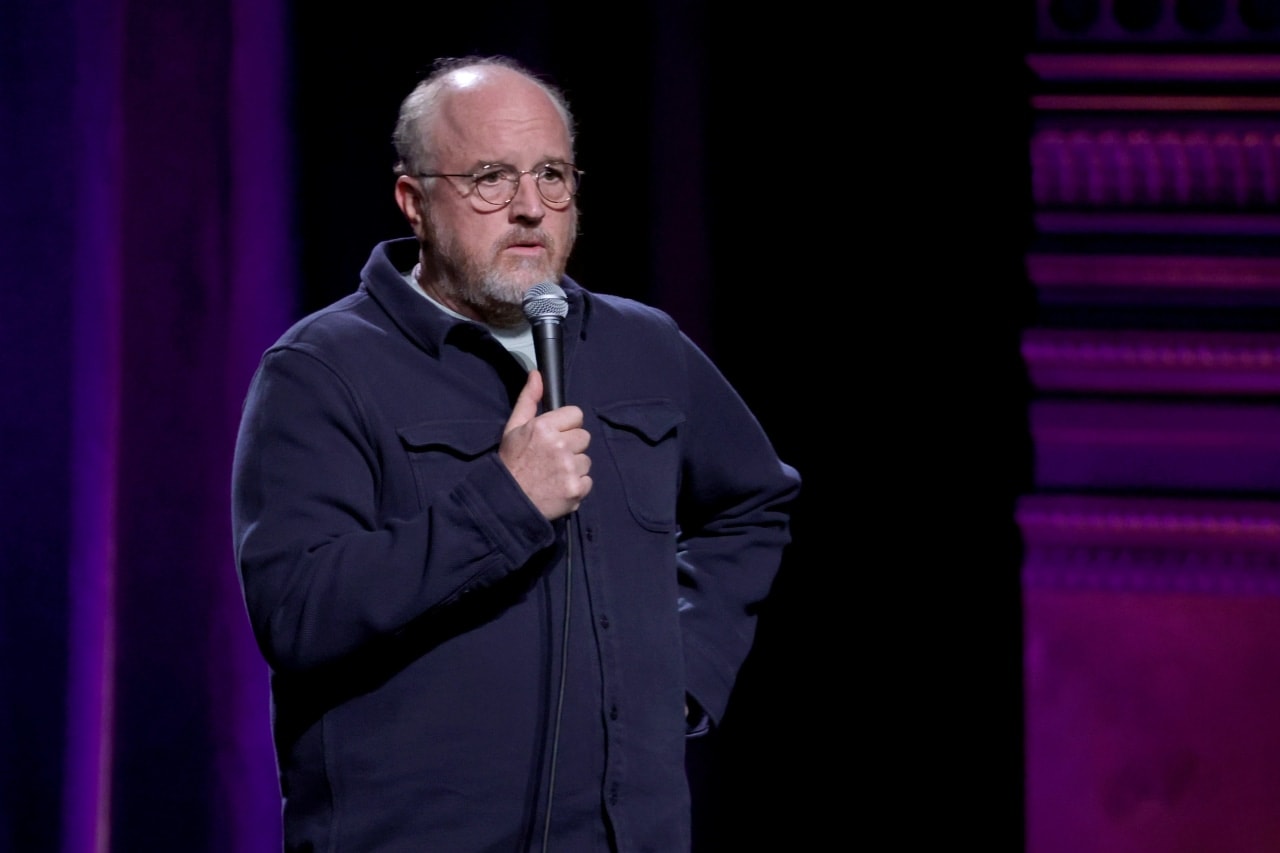
It’s been a weird nine years for Louis C.K. But the paunchy middle-aged stand-up from Boston appears finally to have emerged from the celebrity Phantom Zone. When Netflix last week released his new stand-up special, “Ridiculous,” it marked the first time one of the filmed-entertainment giants signaled it was OK with his new material since 2017. That’s when his career was turned upside down, one month after Harvey Weinstein’s was ended by a series of horrifying stories of sexual misconduct including rape, of which he was later convicted.
The Weinstein story broke open the dam that had been holding back secrets about the sexual misbehavior of prominent men. Mr. C.K. and many others facing vastly different accusations were all thrown into the same category of sexual miscreants. What he did has been discussed to death: It was revolting, but not illegal, and he was never charged with a crime. He didn’t hurt anyone. Mostly his acts were pathetic.
What’s the proper response? It was understandable that he got fired from a lot of projects. It’s also understandable when people say they find his character so appalling that they don’t care to watch any of his comedy specials (or movies, or TV series; he also wrote a novel, “Ingram,” published last year).
But the punishment leveled against him was unusual. And I still can’t figure out why.
Mr. Weinstein’s movies weren’t banned from the major streaming services. Nor were those of Roman Polanski, who committed a sexual crime against a 13-year-old girl and never suffered any punishment for it, having chosen instead to be a fugitive from justice for half a century. Mr. C.K. hasn’t been accused of anything close to that.
Yet HBO (and, later, HBO Max) deleted his comedy specials and episodes of the sitcom he created for the service, “Lucky Louie.” FX yanked previous episodes of “Louie,” the long-running sitcom he created for it. This programming became nearly impossible to find, at least legally. Eventually the comic himself regained the rights to this material, which can now be viewed at his website. Netflix simply kept streaming the catalog specials Mr. C.K. recorded for it, though until now it didn’t offer any new ones.
Why did Mr. C.K. find himself an unperson when nothing like this happened to those who did far worse? HBO Max in some territories has streamed the 2009 Michael Jackson documentary “This Is It.” Yet it pulled the 2019 documentary that profiled victims of his alleged sex crimes, “Leaving Neverland,” following a lawsuit from the Jackson estate.
Mr. C.K.’s work was dumped in the heat of a social-media-driven frenzy that demanded the tumbrels be filled and the guillotines kept humming in the weeks following the Weinstein stories. It became more important to make as big a show as possible of distancing yourself from Mr. C.K. than it did to weigh whether viewers really wanted his work eliminated from the small screen.
There was an obviously self-serving element of fanny-covering. I was a lowly critic and columnist in 2017 (plus ça change!), and even I had heard rumors about what Mr. C.K. had been up to. This means everyone in the comedy world must have known about it, given that showbiz people do nothing but pass around gossip all day. Denials from associates that they knew anything about his misbehavior simply weren’t credible. People suddenly realized that their careers might be in jeopardy if they didn’t get to the head of the denunciation parade, and quickly. No one wanted to answer questions about silent complicity. It wasn’t sufficient simply to cancel Mr. C.K.; you had to pretend he had never existed. If this meant deleting specials and TV shows that hundreds of people had worked on, and from which some of them had hoped to keep drawing residual payments, this was mere collateral damage.
Yet stand-up comics are a difficult group to cancel. Mr. C.K. laid low for a while, then he hit the road with new material. Who could stop him? All he needed was a mic and a room. Then, instead of going to HBO (or Netflix) with films of the performances, he sold them directly to the public on his site. That he was able to sell out shows all over America was a strong indicator that the public didn’t want him silenced.
I wouldn’t play down what Mr. C.K. did and I wouldn’t tell anyone it was “no big deal” or “get over it,” much less “no one cares.” But as is true with Messrs. Polanski, Weinstein and Jackson, people can decide for themselves whether they wish to enjoy the work or turn their backs on it forever. No one was looking to HBO Max for role models in the first place.
Mr. Smith is a Free Expression columnist at WSJ Opinion.