

A Supposedly Fun Thing
Matthew Hennessey on David Foster Wallace; Sebastien Lai on his father, Jimmy Lai; Meghan Cox Gurdon on the attempted cancellation of Mac Barnett; Rob Henderson on the fertility crisis; and more.

Good morning. Welcome to Free Expression, a daily newsletter on life, culture and politics from WSJ Opinion.
If someone forwarded you this email, please take a moment to subscribe. You can follow us on X/Twitter, Instagram, Substack and TikTok.
Today in Free Expression, columnist Meghan Cox Gurdon defends children’s book author Mac Barnett from an internet firestorm; Gary Belsky explains how creativity comes when we turn off our screens and get some fresh air; and Rob Henderson insists the fertility crisis must be fixed by the family, not the government. Plus, Sebastien Lai has high hopes that President Trump can secure the release of his father, publisher and democracy activist Jimmy Lai, from a Hong Kong prison this week.
But first, read anything good lately?


Consider the Essay
—Matthew Hennessey
All this talk about hantaviruses, and the cruise ships on which they prefer to mix and mingle, sent me running for the 1990s. Amazing how easy it is to get there these days. It only took seconds.
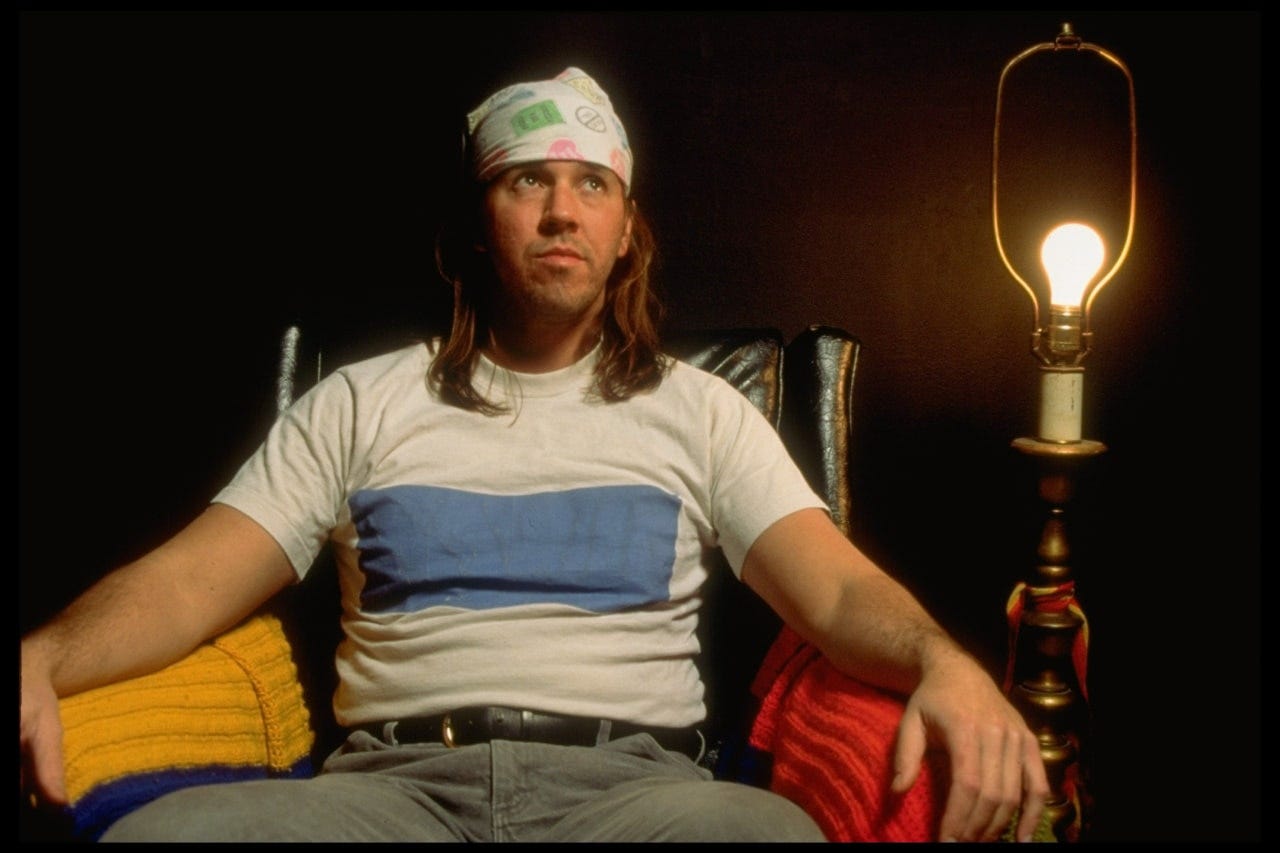
My quarry was one of the greatest and most-legendary essays by David Foster Wallace, who enjoyed significant acclaim as a writer while he was alive but whose reputation in death has diminished such that he’s mentioned, if and when at all, as a kind of literary footnote of the decade lately lauded as the Last Authentic Era (LAE).
That sounds like an insult to his memory, I know, but he might have been OK with it. He liked footnotes.
The essay I was looking for is often known as “A Supposedly Fun Thing I Will Never Do Again.” That was the title of a 1997 book of Wallace’s essays in which it appeared as the lead offering. The original 21,000-word piece, in which the delicious absurdity of a weeklong Caribbean cruise goes under the powerful Wallace microscope, ran the year before in Harper’s Magazine under the headline “Shipping Out.” It was the sort of thing that a certain type of person lived for in the LAE. These were the days before the awful term “longread” became common parlance.
A longread is a 10-minute scroll. Max. In the LAE, a great magazine essay could captivate you for an entire afternoon. Easy. A really top-notch magazine essayist could, once he had you in his maw, force you to cancel your plans. You might skip dinner to finish a piece like John Jeremiah Sullivan’s “Mister Lytle,” or forget to turn on the TV to watch your favorite show while stuck in Meghan Daum’s “My Misspent Youth.”
Often as not these essays taught you something, introduced you to unbelievable characters doing amazing things—sometimes in far-flung places but sometimes right under your nose. A piece written with humor or a quirky point of view earned extra credit. The most skillful magazine writers knew how to elevate the mundane, to magnify the quotidian, to sanctify the ordinary. Joseph Mitchell was expert at it. John McPhee probably perfected it. Wallace could do it when he wanted to.
People still read, but not with much respect, or even regard for, the writer. We send links to our friends when we like something we’ve found online. We share stories on social media. But we don’t cut great essays out of magazines with X-Acto knives and staple the pages together in the top left corner so we can store them in manila folders and take them out to read them every few months. We don’t run off copies at Kinko’s to give to our friends. We don’t do that. Not anymore.
But we did with essays as great as “Shipping Out.” We wanted to have and to hold our favorite magazine pieces. We wanted to remember what it was like to read Wallace’s rumbling, tumbling sentences: “My favorite tablemate is Trudy, whose husband is back home managing some sudden crisis at the couple’s cellular-phone business and has given his ticket to Alice, their heavy and extremely well-dressed daughter, who is on spring break from Miami U. and who is for some reason very anxious to communicate to me that she has a Serious Boyfriend, whose name is apparently Patrick.”
Wallace wasn’t a writer for everyone. With 30 years of distance, it’s easier to see what annoyed his critics even when his reputation was at its height. He fetishizes detail. He overdoes it. He intentionally overwhelms, and then overwhelms again, intentionally. It’s like drinking from the fire hose. But it isn’t boring.
Is it really such a sin to overshoot the mark? No. Boring is worse.
Naturally, there are those who don’t like Wallace for reasons unrelated to his prose—primarily that he was a successful white American male who may not have always been the nicest guy in the world. That isn’t what we’re discussing here today. Our topic is the late, lamented magazine essay. Find and read “Shipping Out.” I defy you to resist this:
I have eaten more and classier food than I’ve ever eaten, and done this during a week when I’ve also learned the difference between “rolling” in heavy seas and “pitching” in heavy seas. . . . I have heard upscale adult U.S. citizens ask the ship’s Guest Relations Desk whether snorkeling necessitates getting wet, whether the trapshooting will be held outside, whether the crew sleeps on board, and what time the Midnight Buffet is. I now know the precise mixocological difference between a Slippery Nipple and a Fuzzy Navel. I have, in one week, been the object of over 1,500 professional smiles. I have burned and peeled twice. I have met Cruise Staff with the monikers “Mojo Mike,” “Cocopuff,” and “Dave the Bingo Boy.” I have felt the full clothy weight of a subtropical sky.
You will like it. And, if you don’t, you can take a long sail in a real small boat.
Watch: Can Trump Convince Xi to Release Jimmy Lai?
President Trump says he will raise the case of imprisoned Hong Kong pro-democracy publisher Jimmy Lai during this week’s talks in China with Xi Jinping. Mr. Lai’s son, Sebastien Lai, continues to campaign for his father’s release from maximum-security Stanley Prison, where he has been held for five years in abominable conditions. Sebastien tells Free Ex that the 78-year-old “refuses to be intimidated by fear.”

Steal the Spotlight: The Eurovision Song Contest 2026 kicks off today in Vienna. Beneath the glitter and spectacle, the world’s most watched cultural event has been marked by controversy. The organizers, the Eurovision Broadcasting Union, have resisted intense pressure to ban Israel from the competition every year since war broke out in Gaza in 2023. This year, Spain, Iceland, Ireland, the Netherlands and Slovenia dropped out of the event to protest Israel’s involvement. Yet Israel’s contestant Noam Bettan appears undeterred: He strode confidently into Vienna, waving an Israeli flag and blowing kisses to a huge crowd. And last year, Israel’s star singer came in second place out of 26 finalists, even after pro-Palestinian protestors attempted to storm the stage during her final performance. Geopolitics can’t get in the way of good talent. —Mary Julia Koch

Leaksicle: White House chief of staff Susie Wiles tries to run a tight ship. In March, she warned staff in the executive office of the president that they’re not “permitted to speak with members of the news media without the explicit approval of the White House Communications Office,” and that those who do otherwise “are subject to sanction up to and including termination.” We know this because Politico obtained the email in which she issued the directive. That is, it was leaked. It’s unclear if the White House has discovered and punished the culprit. Be on the lookout for another leak to find out. — Jack Butler

Mac Barnett, Come on Down
Meghan Cox Gurdon

If you think that the world of children’s literature is a warm and cozy place, you’re wrong. It’s one of the most rancorous fields of battle in American culture, seething with woke-era resentments that occasionally burst into social-media witch-burnings when a writer, illustrator or agent commits thoughtcrime.
Today’s burning man is Mac Barnett. There’s been a tempest online because he has said a true thing about the dire state of kids’ books.
Read Meghan’s Column ⧁
Creativity Dies at the Desk
Gary Belsky

Modern work demands that we fill all up our free time—optimizing it, scheduling it, monetizing it. That leaves our minds little room to wander. It’s in the moments when we stop trying to be productive that we can do our best thinking.
Read Gary’s Article ⧁
Big Brother Is a Bad Daddy
Rob Henderson
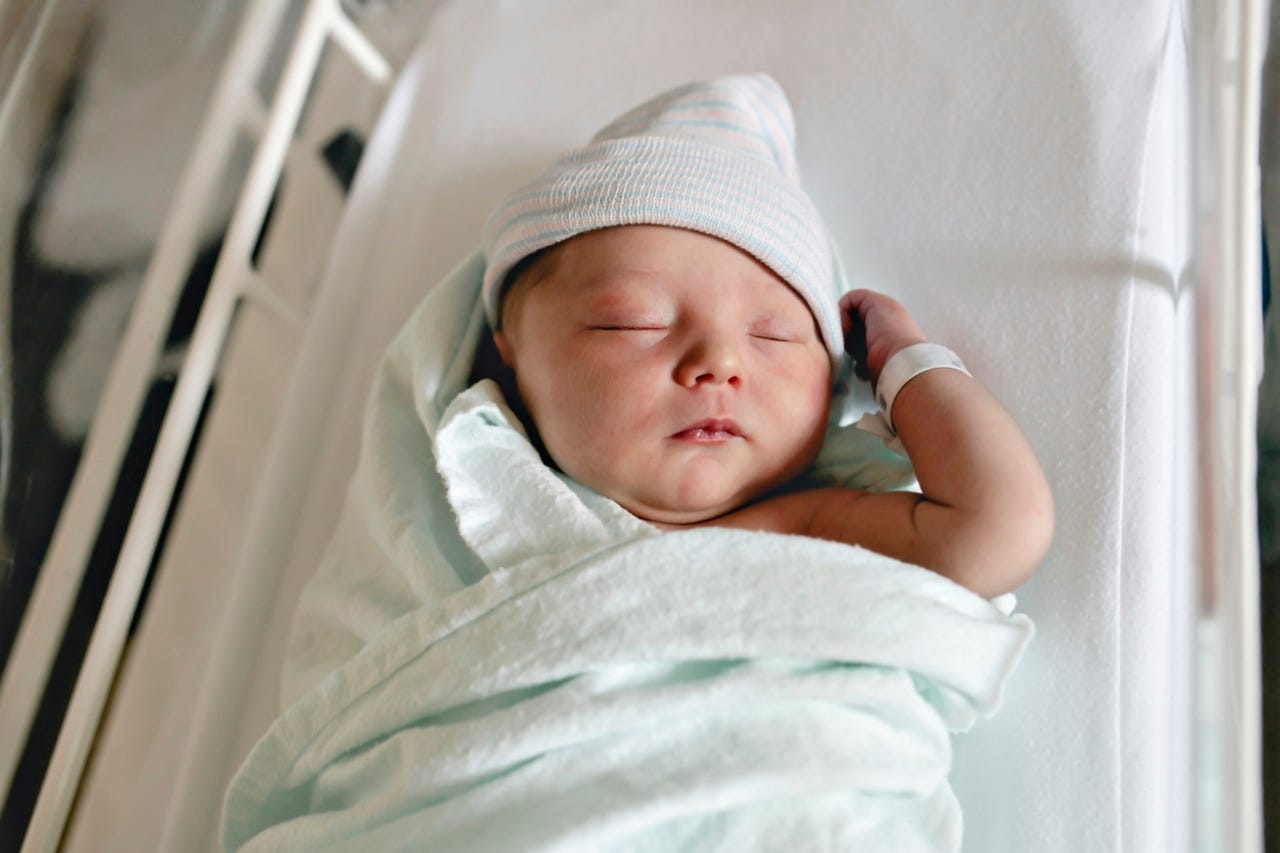
A new study says that governments should counter low birthrates by offering single women enough money and support to make solo motherhood appealing. This is a terrible idea. Fixing the fertility crisis will be difficult, but we shouldn’t hand the job to the feds.
Read Rob’s Article ⧁

Spencer Pratt Is Making Them Sweat in L.A.
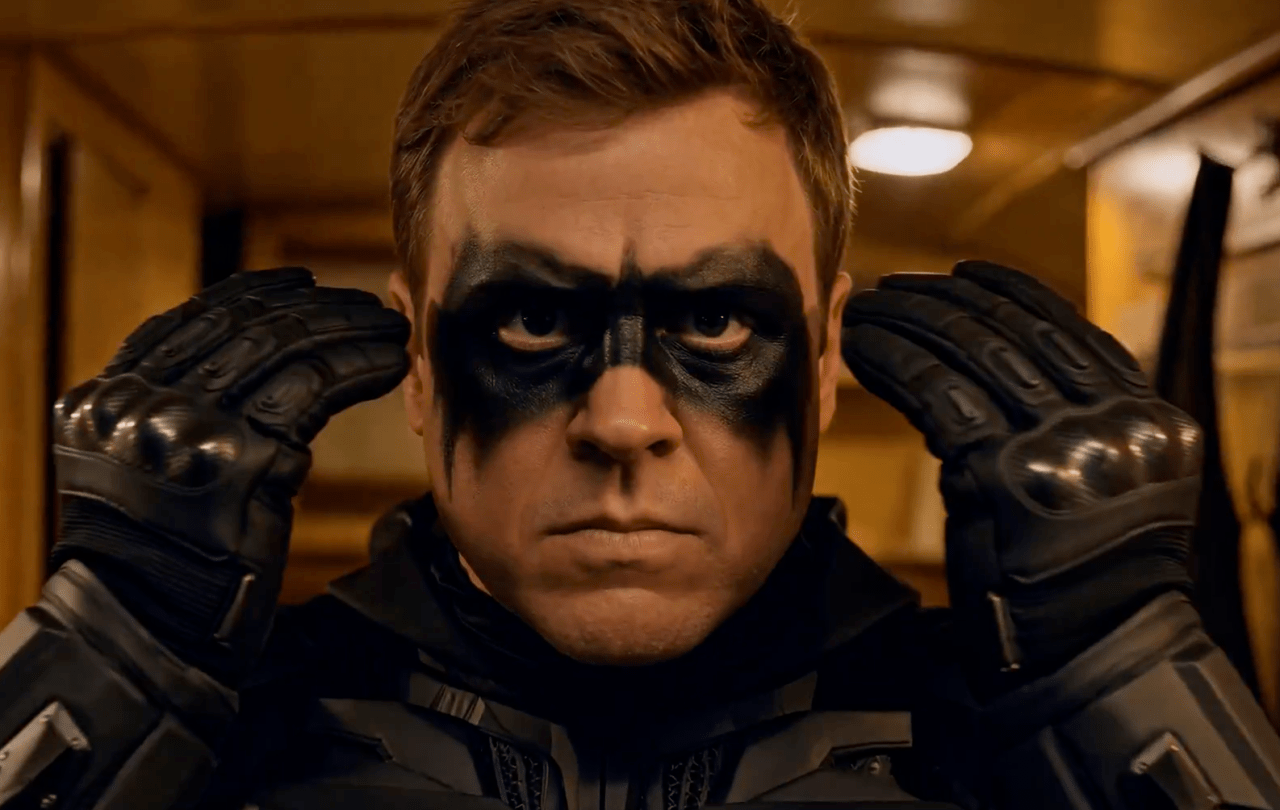
He’s the only candidate in the mayor’s race with a compelling campaign message.
By Kyle Smith
AOC’s Billionaire Bull Session

Did Steven Spielberg earn his wealth? What about Oprah? Jay-Z?
By Matthew Hennessey
Lena Dunham Is Still Adulting

The ‘Girls’ creator isn’t sure if she’ll ever grow up.
By Emma Camp
About Free Expression
Free Expression is a daily newsletter on American life, politics and culture from the Opinion pages of The Wall Street Journal.
Published directly to your inbox Monday through Friday, Free Expression features news and commentary from WSJ Opinion editors, regular columnists and other contributors.
Sign up and start reading Free Expression today.