

Spencer for Hire
Pratt’s campaign for L.A. mayor is creating a new vocabulary for political messaging.


Good morning. Welcome to Free Expression, a daily newsletter on life, culture and politics from WSJ Opinion.
If someone forwarded you this email, please take a moment to subscribe. You can follow us on X/Twitter, Instagram, Substack and TikTok.
Today in Free Expression, columnist John J. Miller observes that Mark Twain may not have been an irreverent atheist after all; Samuel J. Abrams argues that conservatives should care about affordability, too; and Van Taylor warns China’s leaders to heed an important lesson from the war in Iran.
But first, who are the ad wizards who came up with this one?


A Marketing Miracle
—Matthew Hennessey
Most people don’t think advertising works. They consider themselves immune to the subliminal influence of billboards, TV commercials, product placement, direct mail, radio ads and social-media influencers. If that stuff works at all, it works on other people.
The persistence of the $1 trillion global advertising industry argues otherwise.
In Los Angeles, an innovative form of political advertising is getting a real-world test. Spencer Pratt’s upstart campaign for mayor is surging, in part, because of the viral lift he’s gotten from a series of short videos. The AI-generated spots depict the former reality star as a superhero saving the city from the depredations of Democrats like current Mayor Karen Bass, former Vice President Kamala Harris and California Gov. Gavin Newsom.
The videos are effective because they ignore most of the rules of traditional political advertising. They aren’t trying to make Mr. Pratt, a political novice, seem serious and experienced. They aren’t trying to fill in gaps in his biography. Rather they are aiming to raise the stakes in an election that would typically be a cakewalk for the incumbent. They speak with an original narrative vocabulary. They do things nobody thought you were allowed to do.
Ms. Bass has complained that the videos are “150% fiction,” but it isn’t illegal or unheard of to stretch the truth in a political ad. The real fiction may be the idea that these are political ads at all.
If you notice, the clips don’t come with the usual disclaimer at the end: “I’m Spencer Pratt, and I approve this message.” That’s because his campaign isn’t producing them. These are “fan” videos, made by filmmaker Charlie Curran.
This is something new—videos that look like and do the work of political advertising but that aren’t paid for by a campaign or political action committee and don’t feature any footage or audio from the candidate himself. The Federal Election Commission regulates political advertising, largely by requiring disclosures and enforcing funding limits and coordination rules. Does any of that apply here? Hard to tell. Mr. Curran has free speech, after all.
In the predigital world, campaigns were limited by what they could afford. The typical candidate’s fundraising pitch is built around the need for money to put commercials on TV. Nobody can say for sure how much a 60-second AI-generated spot costs to make. But it’s radically less expensive than hiring a film crew to produce cinematic ads like Ronald Reagan’s 1984 “Morning in America” or Lyndon Johnson’s 1964 “Daisy.”
Mr. Pratt may not ultimately win, and his approach may not work for every outsider looking to make a quick splash on the cheap. But his campaign is proving that AI and social media are enough to make the right candidate competitive in the right circumstances. Campaign consultants have gotten rich for decades by selling the idea that a strong spot at an opportune time can determine the outcome of a race.
What will they sell now?
On Monday we told you about a Twitter post that went viral in which a news-addicted leaseholder in Brooklyn was purportedly screening for roommates by asking applicants to name three journalists. We thought it pretty absurd, which is why decided to have a little fun with the idea. Now, a Twitter guy named Jack Brewster claims he made it all up to prove how easy it is to get attention online. Too bad Mr. Brewster decided to fight the problem by contributing to it.

Quiet Quads: The University of Vermont expects a 15% drop in freshman undergraduate students this coming fall, fueling the school’s $12 million budget deficit. This enrollment slowdown coincides with a drop in the U.S. birth rate after the Great Recession, which produced a smaller batch of 18-year-olds who will begin to enter the higher education system starting this year. The Northeast and Midwest regions have been hit hardest by these demographic declines. Maybe this will make some ivory-tower schools easier to get into—while others might soon have to close their gates for good. — Mary Julia Koch
When in Rome: A New Zealand tourist recently went for a swim in Rome’s Trevi Fountain. This is a big no-no. You’re supposed to toss coins into one of the Eternal City’s most famous landmarks, not yourself. This bloke did end up losing money from the experience. Roman police fined him €500 and banned him from the fountain. A little over a year ago, another New Zealander also swam in the fountain and also got fined and banned. Supposedly it’s Americans who are the rude tourists abroad, loud, obnoxious and violating all local proprieties. But perhaps it’s time to start wondering about the Kiwis. — Jack Butler

Puddle Scum: A large, persistent puddle in Brooklyn is taking on a life of its own. Flatbush resident Elizabeth Perez has been documenting the slowly growing petri dish at the intersection of Erasmus St. and Rogers Ave. since last summer. She tells Gothamist that she’s watched the water expand and shrink, freeze and melt, and host a variety of flora and fauna, including algae and bugs. The city has no plans to eliminate it or any of the other mini-marshes in the vicinity. The mayor’s too busy building grocery stores. — J.B.

Mark Twain’s Exaggerated Unbelief
John J. Miller

The best evidence that he was more than an atheist with a sense of humor remains hidden in plain sight: his novel about Joan of Arc.
Twain presents Joan’s supernatural encounters and her Christian ardor with genuine earnestness. He even avoids cracking a joke that Tom and Huck would have found irresistible: Joan of Arc? Wasn’t she Noah’s wife?
Read John’s Column ⧁
Conservatives Should Care About Affordability
Samuel J. Abrams
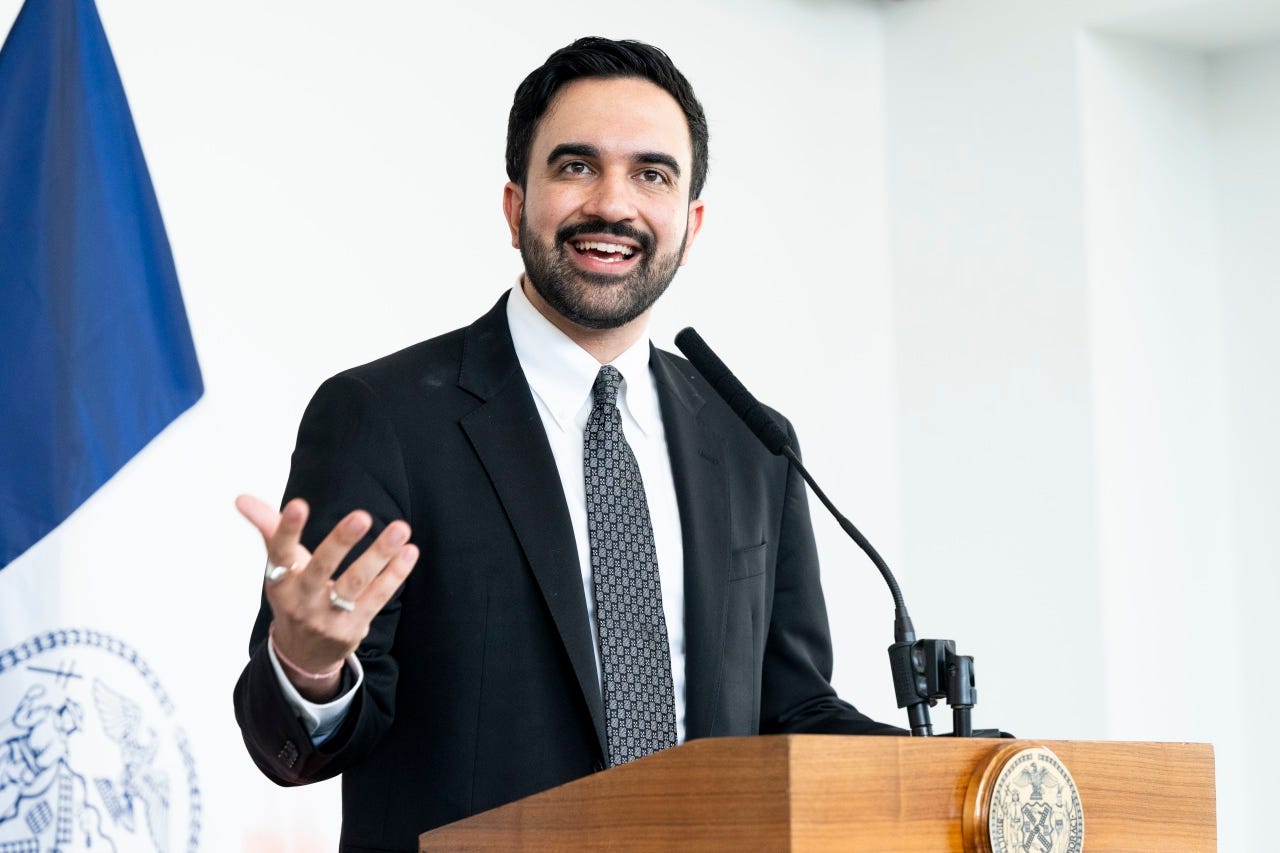
A worker whose rent has doubled doesn’t experience the economy through stock indexes. A parent watching grocery bills climb faster than wages isn’t reassured by aggregate growth numbers. None of this means Mayor Zohran Mamdani’s politics are correct. They aren’t.
Read Samuel’s Article ⧁
Bad News for China From Iran
Van Taylor

China now fields the world’s largest navy by ship count. But numbers alone don’t project power across a contested strait against American carrier strike groups and submarines—as Iran’s numerically superior missile force discovered.
Read Van’s Article⧁

Al Gore’s Long and Persistent Record of Miserable Failure

The former vice president has been predicting imminent climate doom for so long it’s become a joke.
By Kyle Smith
Influencers No More

Young people are turning away from the once-common digital dream of a career in content-production.
By Mary Julia Koch
UFOs Are Having a Moment
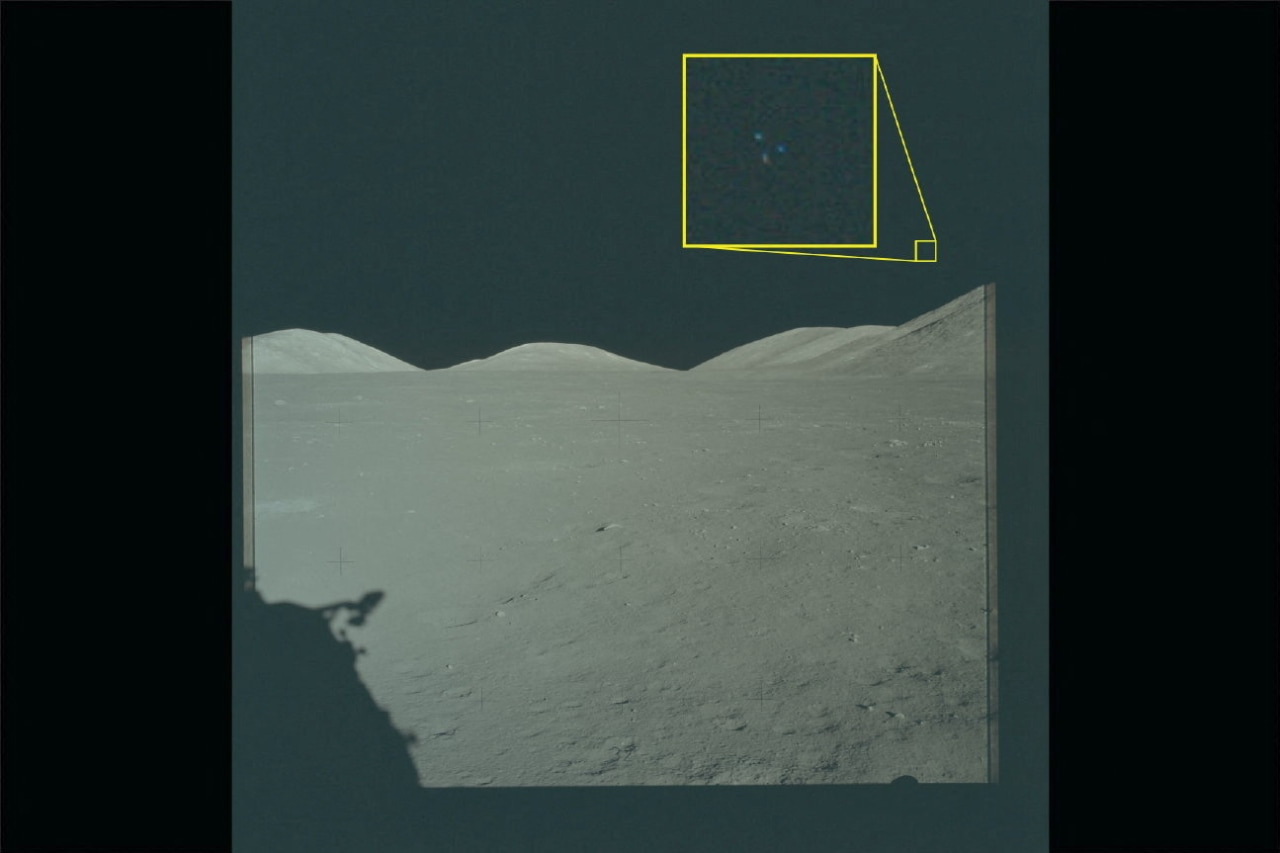
But don’t expect last week’s official document dump to usher in a new age of patient, sober investigation.
By Jack Butler
About Free Expression
Free Expression is a daily newsletter on American life, politics and culture from the Opinion pages of The Wall Street Journal.
Published directly to your inbox Monday through Friday, Free Expression features news and commentary from WSJ Opinion editors, regular columnists and other contributors.
Sign up and start reading Free Expression today.
I love that WSJ,having the most draconian censoring software of any news site I view, has a column called Free Expression.
Hmmmmm. Gorilla popcorn movie politics. “GPOP”? Every now and then, free speech bites a socialist in the ass.