

Look Back in Anger on Lockdown
A WSJ Opinion documentary on the Covid rebels.

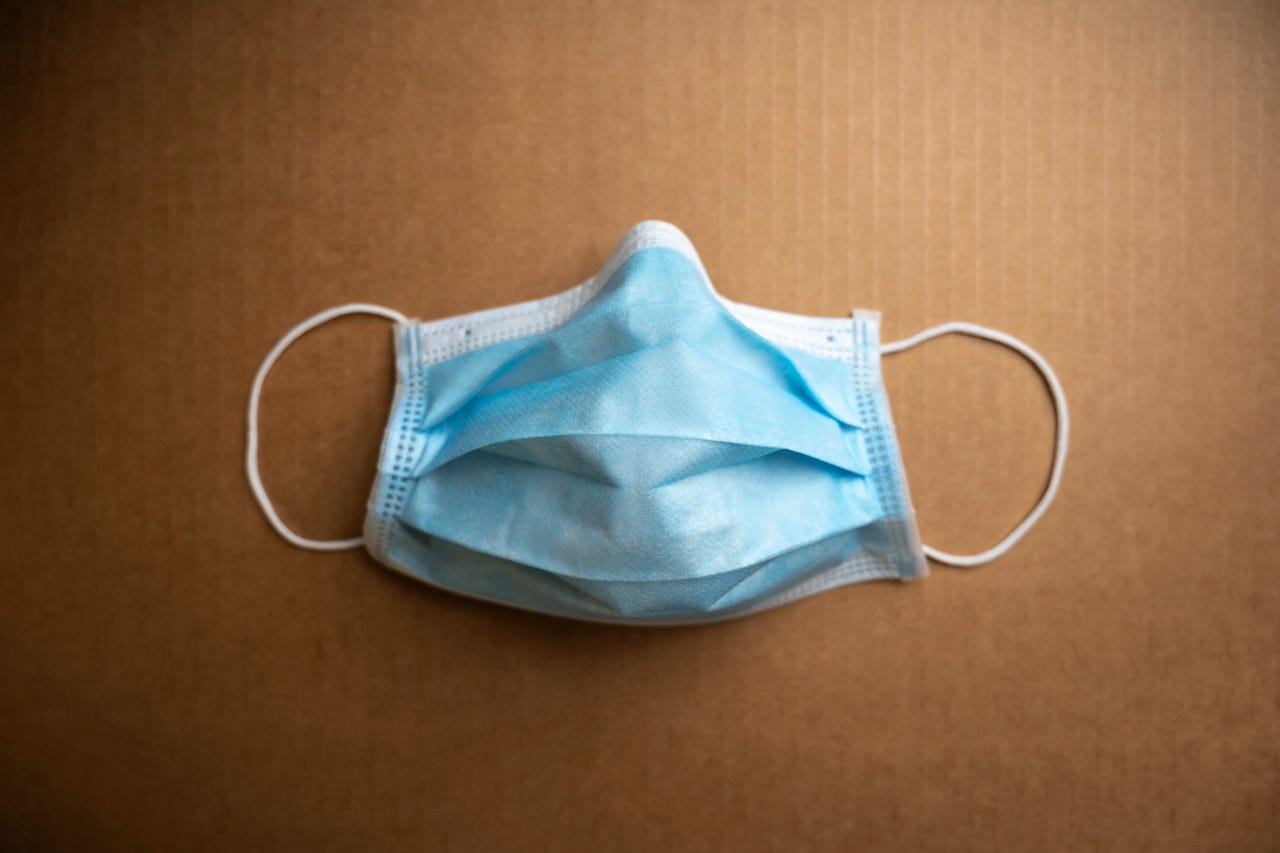
Good morning. Welcome to Free Expression, a daily newsletter on life, culture and politics from WSJ Opinion.
If someone forwarded you this email, please take a moment to subscribe. You can follow us on X/Twitter, Instagram, Substack and TikTok.
Today in Free Expression, columnist James B. Meigs gives you things to be happy about; Dominic Green sees Northern Ireland falling into chaos again; and Mary Julia Koch argues progressives are abandoning standards for power.
But first, not everybody got it wrong . . .


In the Time of Covid
—Matthew Hennessey
What a relief the pandemic is behind us. It was awful. On that we all agree.
Looking back, as we must do from time to time, the only honest conclusion is that the official reaction of government, the public-health authorities, the scientific establishment and most of the media was way off the mark. So far off the mark in some cases that historians of the future will wonder if we lost our minds. But most of it was off the mark in ways that we can actually learn from in the here and now.
Learn we must, because outbreaks of deadly infectious diseases happen with regularity. In fact, they’re happening currently in places we don’t often think about. Ebola is sweeping through eastern Congo and Uganda. More than 100 people have died. Hantavirus tore up a cruise ship recently, forcing public-health authorities to break out the old familiar vocabulary: quarantine, isolation, asymptomatic spread, contact-tracing, etc.
In the spirit of lessons learned, the Journal Opinion page has collaborated with filmmakers at Palladium Pictures to produce a documentary titled “The Lockdown Dissidents.” The film tells the story of the scientists who challenged the government’s response to the Covid-19 pandemic.
Some of the names in the film will be familiar to you, because many of them wrote for our pages at the height of the pandemic. Jay Bhattacharya and Eran Bendavid’s March 24, 2020, op-ed made what was then considered a radical argument: “A universal quarantine may not be worth the costs it imposes on the economy, community and individual mental and physical health.” If that seems obvious now, it didn’t then.
In October 2020, frequent Free Expression contributor Tunku Varadarajan interviewed Dr. Bhattacharya and Harvard’s Martin Kulldorff who, along with Oxford’s Sunetra Gupta, authored the Great Barrington Declaration. These “Covid rebels” argued against broad lockdowns and for “focused protection” of the vulnerable. They were pilloried by their colleagues for daring to contradict the scientific groupthink. Francis Collins, director of the National Institutes of Health, called them “fringe epidemiologists.”
But as my colleague Allysia Finley wrote in December 2024, the Great Barrington Declaration was “far from fringe”:
Tens of thousands of doctors and scientists around the world signed the document. Before the Covid pandemic, the World Health Organization had opposed lockdowns to control disease outbreaks. Yet after the declaration’s publication, Dr. Collins urged a “quick and devastating published take down of its premises” in an email to Anthony Fauci.
In a Washington Post interview, Dr. Collins decried the declaration as a “fringe component of epidemiology.” “This is not mainstream science,” he added. “It’s dangerous” and “fits into the political views of certain parts of our confused political establishment.” Dr. Collins had it backward.
He sure did have it backward. Like so many charged with leading us through that awful time, he not only got it wrong, but he impugned the motives of anyone who disagreed.
My guess is that decades from now, historians will look at this period and conclude that well-intended public-health officials simply overreacted to the sudden appearance of a deadly and contagious pathogen. They got the response wrong because the world was in a panic and they felt they had to do something. Nobody knew the best way forward, so everybody deserves a pass.
That’s wrong. Not everyone panicked. Some kept their heads. Some saw what needed to be done and said so. They told an unpopular truth that contradicted the views of the high and mighty. For that they had targets placed on their backs, their reputations dragged through the mud. They were mocked, vilified and deplatformed. Now they have been vindicated.
If we’re learning lessons from the pandemic, one of the clearest is that credentialed elites would often rather be wrong than disobeyed. The threat from Covid is over. That’s a relief because it was awful. But the authoritarianism of arrogance is in many ways a far greater threat. That’s with us still.

Disturbin’ Urban Bourbon: Americans are drinking less these days. But alcohol remains in high demand, if a recent theft is any indication. On a recent Friday afternoon, a truck showed up to a Philadelphia warehouse. The driver presented himself as the intended deliverer of 11,000 bottles of Noble Oak Bourbon to New Jersey. Instead, he whisked the whiskey worth $500,000 away. Its whereabouts, and the identity of the bourbon burglar, remain unknown. But it may be hard to remain on the downlow with that much hooch in your hutch. — Jack Butler
A Romantic Assist: New York City expects the World Cup to bring about a boom in visitors—and possibly relationships. Big communal events can reduce the barrier to conversation and create a sense of community that can foster friendship, even romance. During the 2018 World Cup in Moscow, Tinder usage in the Russian city surged 11-fold, while some embassies in the area experienced an uptick in marriage requests. This summer, expect similar developments among young people filling the stands at soccer stadiums, watch parties and pubs. Even if you don’t care which team wins, the vibes will be electric. — Mary Julia Koch

Green Mountain, Red Tape: After Vermont’s Green Mountain College closed in 2019, entrepreneur and erstwhile “The Apprentice” contestant Raj Bhakta bought the campus for around $5 million. The Journal reports that, while Mr. Bhakta wanted to build hotels, condos, a restaurant and spa on the site, all has not gone to plan. Mr. Bhakta is now looking to give the campus away, citing regulatory hurdles that made it impossible to transform the buildings. “If you ever want to feel like you’re going nuts,” Mr. Bhakta said, “buy a college campus in the middle of nowhere.” As more and more small colleges are set to close in the coming years, this strange story could be a glimpse of what’s to come. — Emma Camp

When the Bottom Stories Are the Real News
James B. Meigs
Negative news dominates while positive stories quickly fade away. Journalists are also now nudging readers toward proper beliefs.
Here are four big trends the press doesn’t talk about enough, but the rest of us should.
Read James’s Column ⧁
The Town That Burned So Well
Dominic Green
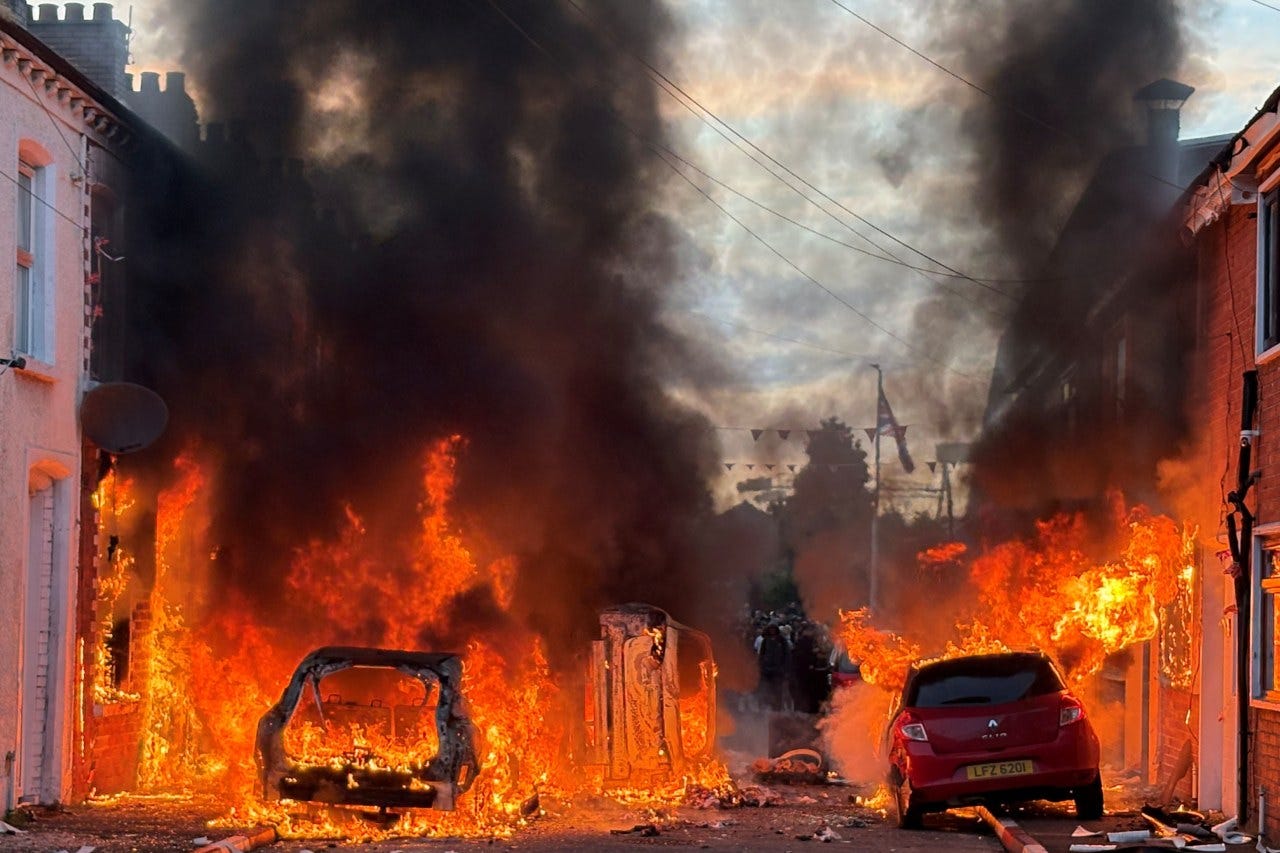
The scenes of masked gangs rioting in Belfast are almost as familiar as the images that precipitated them: a Sudanese asylum seeker astride the body of a local man, repeatedly stabbing him in the face, neck and back. Such horrific crimes, and the riots that inevitably follow, have become commonplace in the U.K., of which Northern Ireland is a part.
Read Dominic’s Article ⧁
No Moral High Ground
Mary Julia Koch
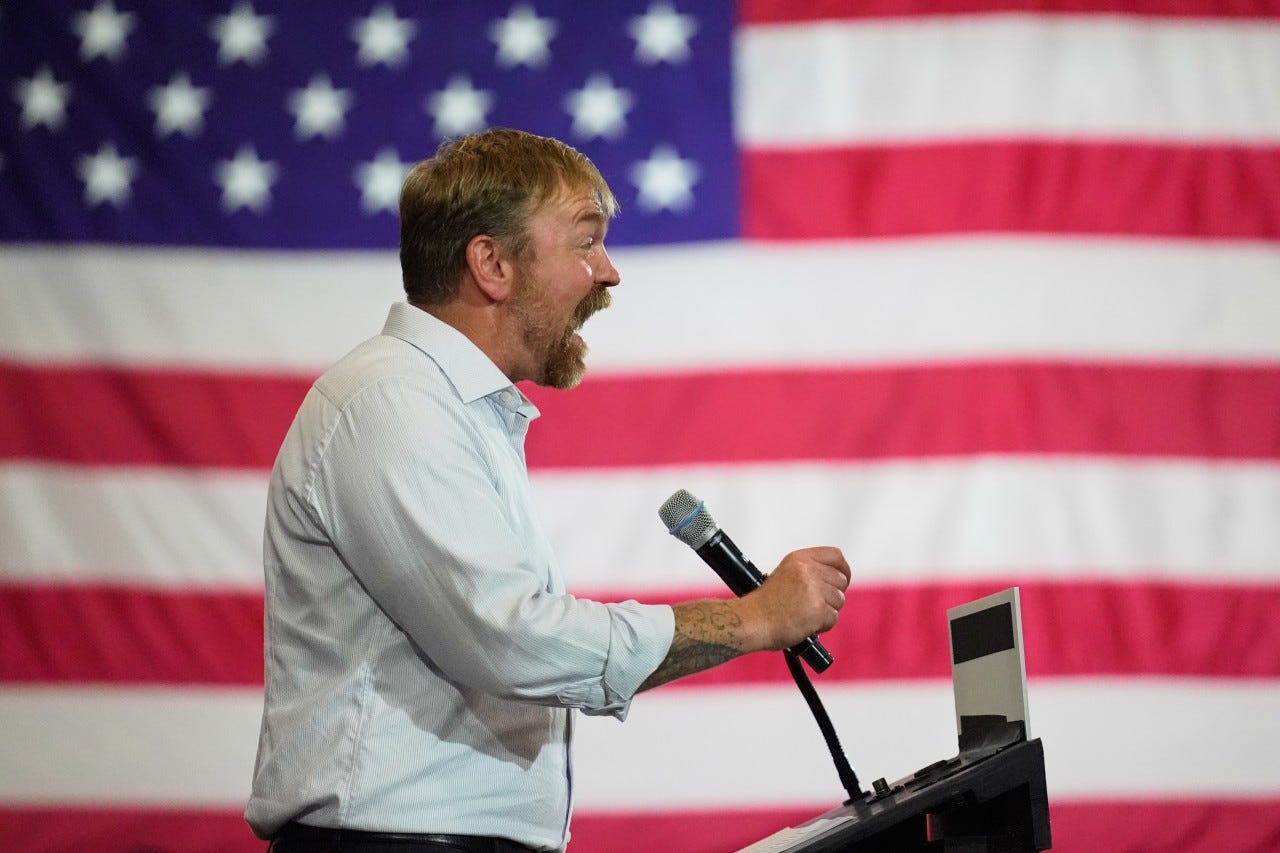
If Graham Platner were running for Senate in an earlier era, his scandal-plagued past might’ve rendered him unelectable. But on Tuesday night, the Hotchkiss Oysterman clinched the Democratic primary race in Maine without social-justice warriors lifting their pitchforks.
Read Mary Julia’s Article ⧁

Remote Work Lets Moms ‘Have It All’

It’s the biggest innovation for ambitious women with children since the dishwasher.
By Kate B. Odell
Are You There God? It’s Me, Spielberg

The ‘Disclosure Day’ director asks ancient questions about the universe and the Almighty.
By Spencer Klavan
Will L.A. Ever Hit Rock Bottom?

Maybe Pratt wasn’t the ideal candidate, and 2026 not the right moment, for change. But when will it come?
By Jack Butler
About Free Expression
Free Expression is a daily newsletter on American life, politics and culture from the Opinion pages of The Wall Street Journal.
Published directly to your inbox Monday through Friday, Free Expression features news and commentary from WSJ Opinion editors, regular columnists and other contributors.
I remember back in the olden days when when one commented that the Covid restrictions and the masking outdoors and closing outdoor playgrounds and the 6 ft thingie were all BS, moderators would delete comments and throw commenters into the banned waste basket. I can’t really remember where though. Oh yeah, it was at the Wall St Journal!
Welcome to the party, pal.
Are you really this naive? “My guess is that decades from now, historians will look at this period and conclude that well-intended public-health officials simply overreacted to the sudden appearance of a deadly and contagious pathogen. They got the response wrong because the world was in a panic and they felt they had to do something. Nobody knew the best way forward, so everybody deserves a pass.”